Homeowners planning a new kitchen or bath, followed from first question to signed contract.
A remodeler doesn’t need a stack of names. It needs the homeowner who has been saving photos of kitchens for a year to reach your designer first, and then to hear from you every step of the months it takes them to decide. We build the campaigns by project type, carry the ad spend and deliver the request with the consent on record. You pay a price per lead agreed up front, and the design and the contract are yours to win.
A new request answered, a showroom visit booked, and a homeowner from months ago back at the table.
One kitchen company, one Thursday. Every lead stamped, every step measured.
How remodelers work with us
A homeowner asks for a design consultation. You pay for that request.
Nobody buys a kitchen from an ad. They buy it after a designer has measured the room, walked them through samples and priced the plan, which makes a remodeling company a pay-per-lead business. We build the pages, write the ads and carry the spend. When a homeowner in your service area asks about a project you take on, you pay for that request, at a price set before launch. How much of the work happens before it reaches you is up to you: the request on its own, a consultation already on your designer’s calendar, or the homeowner handed to your office live.
- You decide the project types, the towns and what makes a request qualified, in writing, before anything runs
- Each lead carries its own consent record: what the person saw, where and when they agreed
- Nothing to fund up front and no monthly retainer. You pay for leads, and that is all you pay for
- Which tier suits your design team gets worked out on the first call. See how each tier is priced
Every service, through a remodeler’s eyes.
The same nine services do different work for a remodeler than for a dentist. Here’s what each one is for when the business is rebuilding the rooms people use most.
Project types
The rooms you rebuild, in the towns you work.
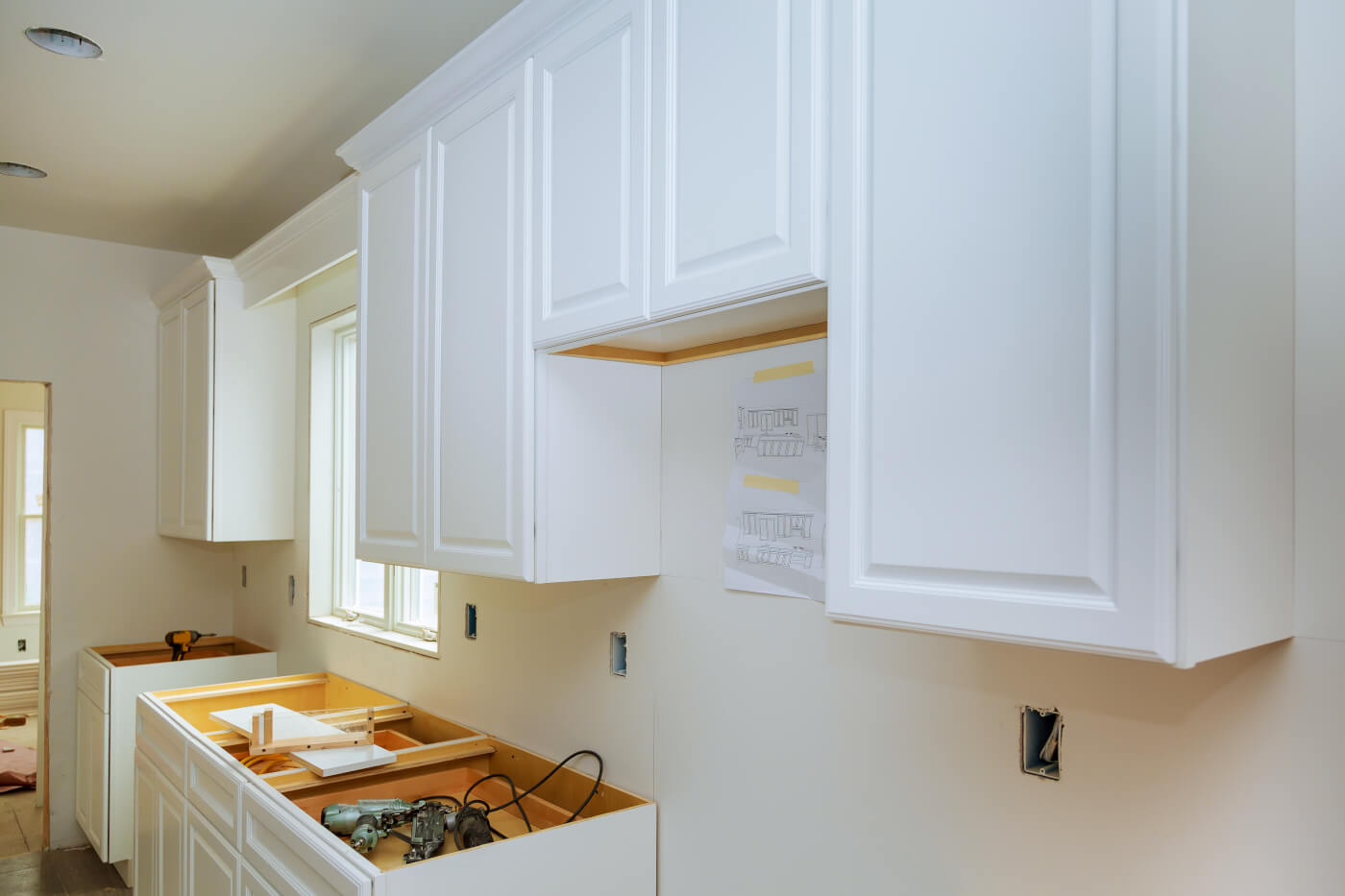
A couple opening up a closed-in kitchen, an adult child making a parent’s bathroom safe and a homeowner who only wants new cabinet doors are different buyers with different budgets, searching in different words. So each project type runs as its own campaign, with its own pages and its own questions, and only in the area your crews reach. Push one forward when the design calendar has room, and hold it back when installs are booked out.
- Full kitchens, from layout changes to new cabinets, counters and lighting
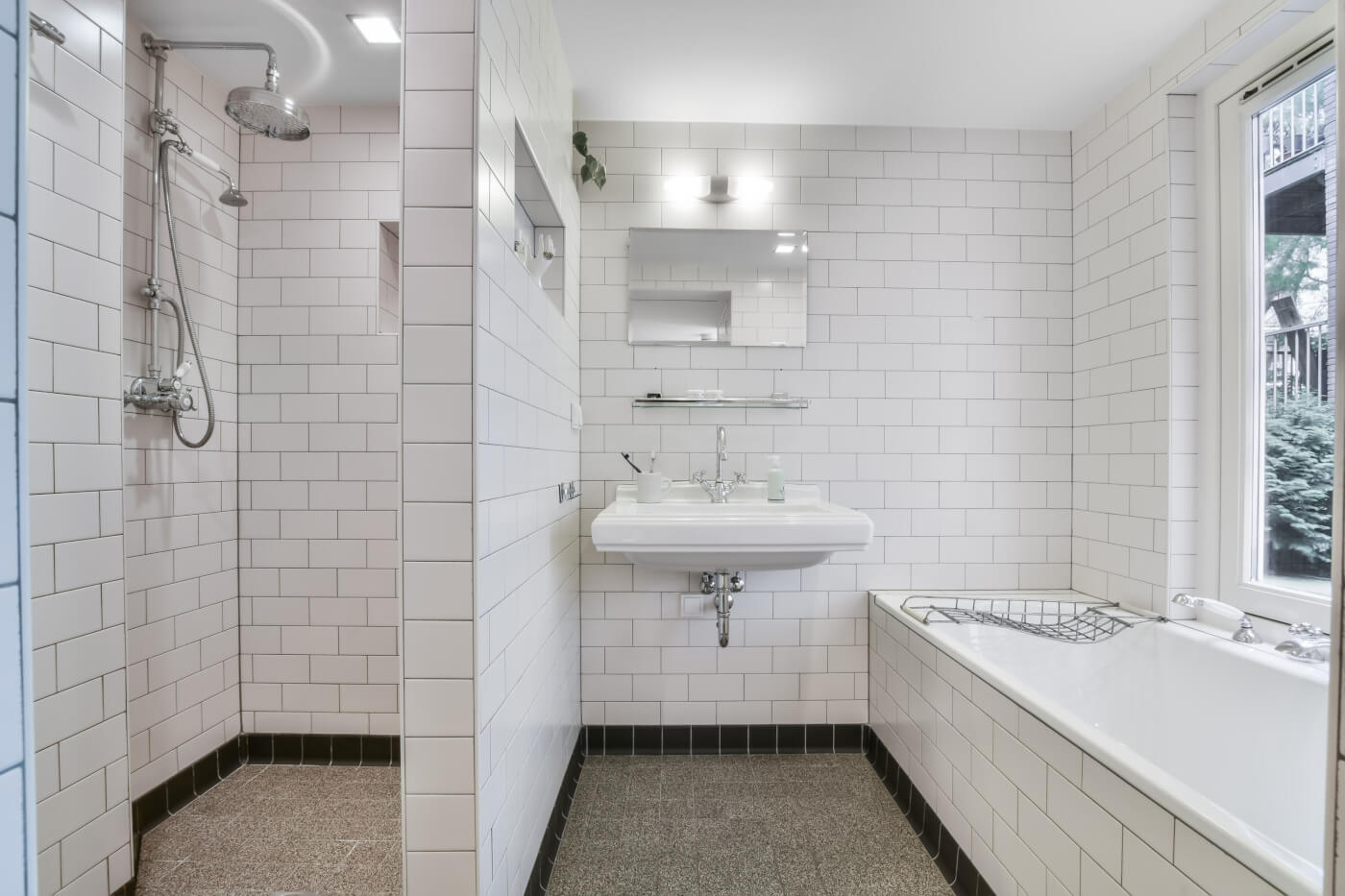
- Bathroom remodels, plus walk-in showers and tub-to-shower conversions
- Cabinet refacing and countertop replacement for a lighter project
- Bath additions: a primary-suite bath or a new bath in the basement
The first minute and the fourth month
Answer first, then stay in touch until they’re ready.
A homeowner asks two or three remodelers in the same week and books whoever gets back to them, so the first reply goes out in the minute. But a kitchen or bath is rarely decided in a week. Between the first question and the contract come a showroom visit, samples, a proposal, a talk about payment and often a pause for the holidays. The follow-up is built for that whole stretch, not just the first few days.
- A text and an alert within the minute, any hour messaging rules allow
- Routed by project type and town to the designer who covers it
- Reminders before the showroom visit and the measure, so the time gets used
- Check-ins after the proposal and for months after, until the homeowner says yes or says stop
Before the consultation
The right questions first, and honest pages about money and safety.
A designer’s afternoon is worth protecting, so the request page asks what your team would: whether they own the home, which room, roughly when they hope to start and whether they’d like to talk about payment options. Ads can say you offer financing, but they never quote a monthly payment, a rate or an approval. Walk-in shower pages talk about an easier, safer bathroom without medical claims or promises about what insurance or any program will pay.
- Ownership, project, timing and a budget range asked on the page, written with you
- Financing questions passed to your team or your lending partner, never answered in an ad
- Aging-in-place pages that describe the work, not a health outcome
- Consent wording, time and page stored with every request, and you approve every ad before it runs
Reviews and referrals
Every finished room is a reason for the next homeowner to call.
The next customer wants to see work like theirs, finished and lived in, and to read what the last family said about weeks of dust and a crew in the house. So the review ask goes out at the final walkthrough, one tap to Google, and every review gets a reply. Photos of the finished room go to your profile and gallery, and past clients hear from you again when the next room is on their mind.
- The review ask timed to the walkthrough, when the room is new and the crew is gone
- Every review answered: drafted for you, approved by you
- Before and after photos added to your profile and project gallery
- Past clients kept in touch for the next room and the referral, on a list that’s yours, always, exportable
What we count
Requests, consultations, signed contracts. Not clicks.
A remodeler’s numbers are the ones the sales team already watches: how many homeowners asked, how many came in for a consultation, how many proposals went out, how many signed, and how long that took. Every lead lands in your CRM the moment it arrives, so you see it when we do. Where your agreement includes reporting, it puts the rest in plain English: which project types and towns are producing, and what changes next.
- Every lead in your CRM as it arrives, with its source, its photos and its consent record
- Speed to first contact and consultations booked, by designer and project type
- Proposals and signed contracts, when your team marks them, even months later
- Credits for leads that don’t meet the definition, handled the way your agreement says
Other lead businesses with long, considered sales run the same machine: see their stories · what counts as a lead.
Buying remodeling leads? Ask these ten questions first.
The questions to put to any lead seller, us included: whether a lead goes to other remodelers too, how consent is recorded, and what happens when one isn’t a real project.
Straight answers.
What remodelers ask us.
Is each lead ours alone, or shared with other remodelers?
Your agreement answers that in writing before the first campaign runs, so it’s settled before any lead shows up. It’s worth asking every lead seller the same thing and getting the answer on paper; it’s one of the ten questions in the free vetting guide.
Our projects take months to sell. Is a lead still worth paying for?
That’s exactly why the follow-up is part of the work. The first reply goes out within the minute, and after the consultation and the proposal the check-ins keep going for months, timed to the season and to what the homeowner told you. A homeowner who goes quiet in the spring often comes back in the fall, and the system is still there when they do.
Do you screen for homeowners, timing and budget?
Yes, on the request page, with questions you help write: whether they own the home, which room, when they hope to start and a rough budget range. It’s what the homeowner tells us, not a site visit, so the measure and the real price are still your designer’s.
Can you advertise financing and walk-in showers?
Yes, carefully. Ads can say you offer financing, but they never quote a payment, a rate or an approval; those come from you or your lending partner. Walk-in shower and tub-to-shower pages describe a safer, easier bathroom and never make a medical claim or promise what insurance or any program will pay. You approve every ad and page before it runs.
Why pay per lead rather than a monthly retainer?
Because a remodel starts with a homeowner asking and ends with your designer at the table, the request is the part worth paying for. There’s no menu of models to weigh: the campaigns, pages and ad spend are ours, you never open an ad account or fund a budget, and the one thing left to decide is how far each lead comes before it reaches you. That gets settled on the call.
What if a lead isn’t a real project?
If it falls outside the definition in your agreement (a renter, a town you don’t serve, a project you don’t take, a duplicate, nobody to reach), it gets credited or replaced. Whether a consultation turns into a contract is between your designer and the homeowner, and the price of the lead never depends on it.
Not quite a kitchen and bath company?
These businesses sell the way yours does (a homeowner asks, someone designs or quotes, a contract closes it), so the machine is built the same way.
A cabinet shop, a tile and stone showroom, something else entirely? See all sixty industries or tell us about the company.
Let’s look at where your next kitchens and baths come from.
The free marketing audit checks your profile, your reviews, your project gallery on a phone and how fast a consultation request gets an answer, in writing, in priority order. Or skip straight to a call.