People with water on the floor, answered before they call the next plumber.
A plumbing company doesn’t need more traffic. It needs the homeowner standing in a puddle, or the property manager with a backed-up line, to reach your dispatcher before they reach anyone else. We build the campaigns by kind of work, carry the ad spend and deliver each request with the consent on record. You pay a price per lead agreed up front, and the truck that rolls is yours.
A leak found at breakfast, a new heater by lunch, and nobody at the office had to chase a voicemail.
One plumbing company, one Monday. Every lead stamped, every step measured.
How plumbers work with us
Someone asks for a plumber. You pay for that request.
A plumbing job gets priced by the technician who has seen the pipe, which makes a plumbing company a pay-per-lead business. We build the pages, write the ads and carry the spend. When a homeowner or property manager in the area your trucks cover asks for help, you pay for that lead, at a price set before anything launches. How far we take each one before it reaches you is up to you: the request itself, a visit booked on your dispatch calendar, or the caller handed live to your dispatcher.
- You set the kinds of work, the service area and what counts as qualified, in writing, before launch
- Each lead comes with its consent record: the wording the person saw, the page and the time
- No ad budget to fund and no retainer to carry. The price of the lead is all you pay
- The tier that suits your dispatch gets settled on the first call. See how each tier is priced
Every service, through a plumber’s eyes.
The same nine services do different work for a plumber than for a restaurant. Here’s what each one is for when the business is keeping water where it belongs.
Kinds of work
Burst pipes tonight, water heaters this week, a repipe next month.
A family with a pipe spraying in the basement, a homeowner weighing tank against tankless and a restaurant whose kitchen drain backs up every Friday want three different things, on three different clocks. So each kind of work runs as its own campaign, with its own pages and its own questions, and only in the neighborhoods your trucks reach. Turn emergency calls up when the on-call schedule is staffed, and pause installs when the board is full.
- Emergency leaks and burst pipes, during the hours you dispatch
- Water heater repair and replacement, tank and tankless
- Drain cleaning, camera inspections, sewer line repair and replacement
- Repiping, and commercial work for restaurants, offices and rental buildings
After hours
Water on the floor goes to the first plumber who picks up.
Nobody with a burst pipe collects quotes. They go down the list until someone answers, and that someone gets the job. So a request at eleven at night doesn’t sit in an inbox until the office opens: a text goes out within the minute with how to shut the water off, and the on-call tech gets the address and what’s leaking. For some companies an AI voice answers the calls the office can’t, takes the details and hands the caller to a person when one is needed. You approve what it says before it goes live.
- A text and an alert within the minute, at any hour messaging rules allow
- Sent to whoever is on call tonight, by area and by kind of job
- An AI voice for the overflow, for companies that want one, passing callers to your team
- Or skip the form: a live transfer puts the caller on the line with your dispatcher
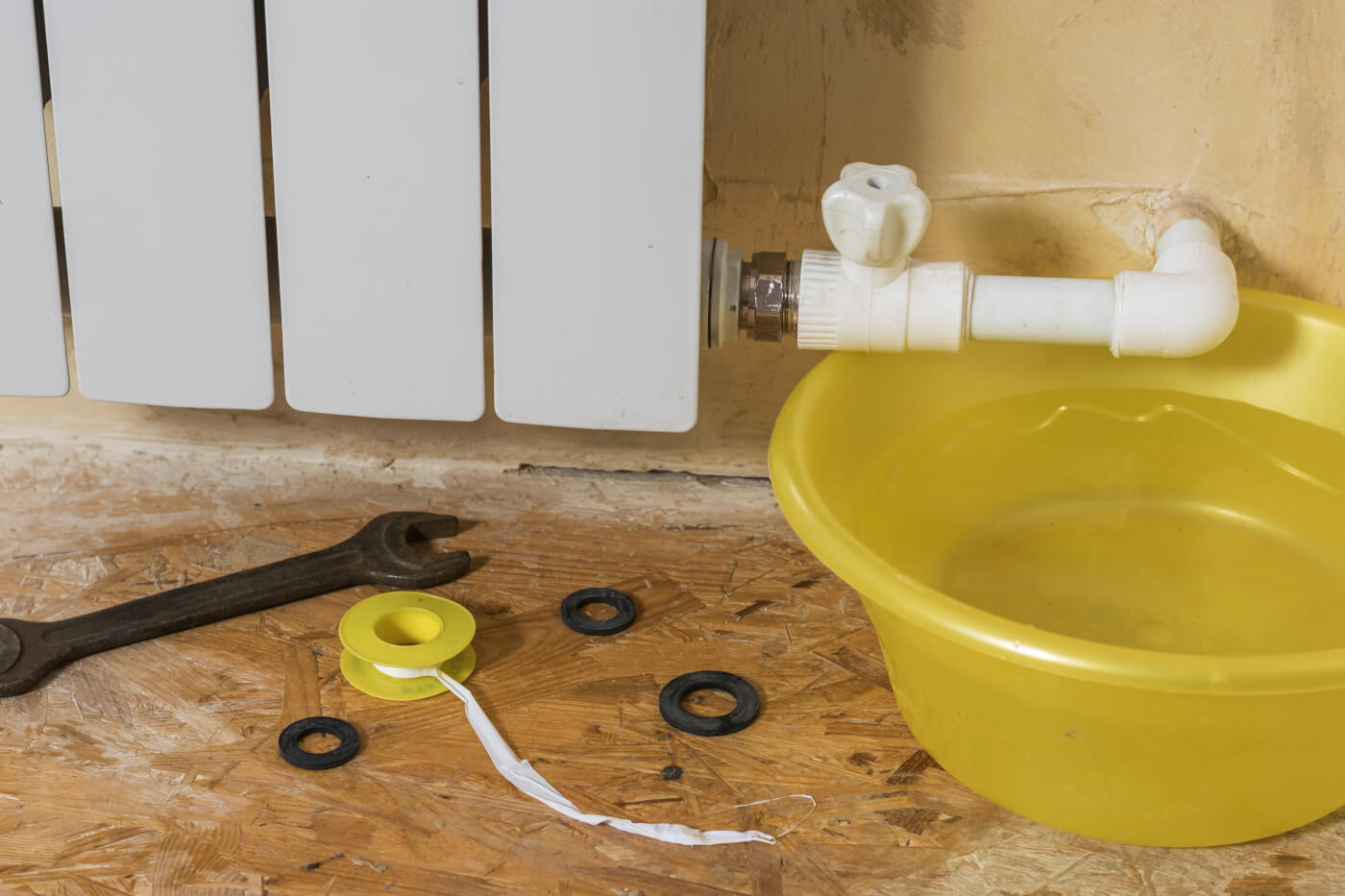
Sewer lines and repiping
A sewer line or a repipe is decided over a week, not one call.
A homeowner told the main line has to come out, or that the whole house needs new pipe, is looking at a bill they didn’t plan for. They want to see the problem, get a second price and talk it over at dinner. So the follow-up does the patient work: the camera footage goes to them by text the same day, the options sit side by side, questions get answered without phone tag, and the estimate is signed on a phone when they’re ready.
- The camera video sent with the estimate, so they see what your tech saw
- Options laid out side by side: a trenchless repair, a full replacement, a partial repipe
- Follow-up on open estimates over days, timed to help rather than nag
- Deposits by card and contracts signed on a phone, with financing where you offer it
Reviews and repeat work
Every finished job is the start of the next call.
Once people find a plumber they trust, they keep the number, and before they let anyone new in they read the reviews. So the review ask goes out when the work is done, one tap to Google, and every review gets an answer. Then the reminders a building actually needs keep the company in front of the customer: a water heater flush at home, drain jetting for a commercial kitchen, a backflow test before it’s due.
- The review ask timed to the finished job, one tap to Google
- Every review answered: drafted for you, approved by you
- Maintenance reminders for homes and commercial accounts, from a list that’s yours, always, exportable
- Fresh reviews strengthen the profile people find in local search the next time a pipe gives out
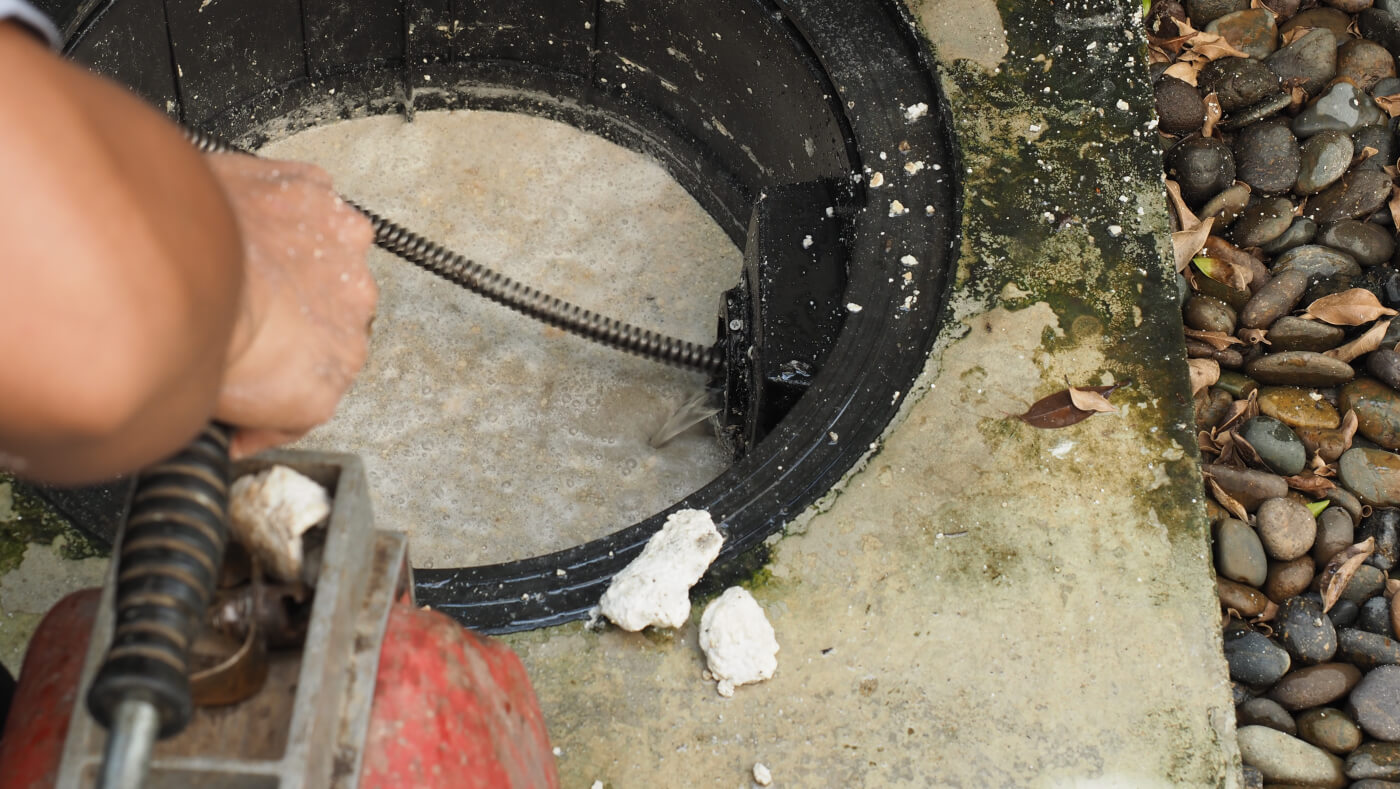
What we count
Requests, dispatches, paid jobs. Not clicks.
A plumbing company’s numbers live on the dispatch board: how many people asked for help, how many you reached, how many trucks rolled, how many jobs were paid. Every lead lands in your CRM the second it comes in, so you see it when we do. Where your agreement includes reporting, it explains the rest in plain English: which kinds of work and which neighborhoods are producing, and what changes next.
- Every lead in your CRM on arrival, with its source, any photos and its consent record
- Time to first contact, day and night, by dispatcher and by kind of job
- Visits completed and estimates signed, as your team marks them, so we tune the work that pays
- Leads that don’t meet the definition are credited or replaced, the way your agreement says
Other lead businesses on the same machine, in their own words: read the client stories · how a lead is defined.
Buying plumbing leads? Ask these ten questions first.
What to ask any lead seller, us included: whether a lead goes to one plumber or several, how consent is recorded, and what happens when a request isn’t a real job.
Straight answers.
What plumbing contractors ask us.
Is each lead sent only to us, or to other plumbers as well?
Your agreement says so in writing before the first campaign runs, so the answer is settled before any lead shows up. It’s a fair question for every lead seller, and one of the ten in the free vetting guide.
Can you run emergency calls at night and on weekends?
Yes, for the hours you have someone on call. Requests outside those hours can be paused, held for the morning or sent to whoever is on call, and texts go out only at hours messaging rules allow. Some companies also have an AI voice answer the overflow and pass the caller to a person; you approve what it says before it goes live.
Which kinds of work and which areas can you run?
The work you do, where your trucks go: emergency leaks, water heaters, drains, sewer lines, repiping and commercial accounts. Each runs as its own campaign, so you can turn one up or pause it on its own, and the service area is drawn around the neighborhoods you actually serve.
Why pay per lead and not a monthly retainer?
Because a plumbing job starts with someone asking for help and ends with your tech at the house, so the request is the part worth paying for. That takes a decision off your plate: you don’t have to weigh one model against another. What’s left is how far we take each lead before it reaches you (the request, a booked visit or a live transfer), and that gets settled on the call.
What if a lead isn’t a real job?
If it doesn’t meet the definition written into your agreement, it gets credited or replaced, the way the agreement sets out. Whether a visit turns into a paid job is down to your tech, and the price of the lead never depends on it.
Do we have to open an ad account or fund a budget?
No. On pay-per-lead the campaigns, the pages and the ad spend sit with us. There’s no account for you to open, no access to grant and no budget to top up. What you pay for the lead is what you pay.
Not quite a plumber?
These trades sell the same way you do (someone asks for help, a tech or an estimate closes it), so the machine is built the same way.
A drain specialist, a well and septic company, something else entirely? See all sixty industries or tell us about the company.
Let’s look at where your next service calls come from.
The free marketing audit looks at your map listing, your reviews, how the site works on a phone and what happens when someone asks for help late at night, written up in the order to fix it. Or skip ahead and book a call.