Homeowners ready to build, booked for a site visit before another contractor calls.
A general contractor doesn’t need a pile of names. It needs the family that has outgrown the house, with a survey of the lot in a drawer, to get you on the property before they get anyone else there. We build the campaigns by project type, carry the ad spend and deliver the request with the consent on record. You pay a price per lead set before launch, and the walk-through, the estimate and the build are yours.
A request answered, a property walk on the calendar, and a family in plan review never left wondering.
One building company, one Tuesday. Every lead stamped, every step measured.
How contractors work with us
A homeowner asks you to come look. You pay for that request.
An addition or a renovation is priced on site, after someone has walked the property, opened the panel and measured the footprint, which makes a building company a pay-per-lead business. We build the pages, write the ads and fund the campaigns. When a homeowner or a business owner in the area you build in asks about a project you take on, you pay for that request, at a price written down before launch. How much happens before it reaches you is yours to set: the request alone, a site visit on your estimator’s calendar, or the owner handed live to your office.
- You name the project types, the towns and the bar a request has to clear, in writing, before anything runs
- Every request carries proof of consent: the wording the person saw, the page and the moment they agreed
- You never fund an ad budget or pay a retainer. The lead price covers it
- The tier that suits your estimating team is worked out on the first call. See how each tier is priced
Every service, through a builder’s eyes.
The same nine services do different work for a general contractor than for a law firm. Here’s what each one is for when the business is adding rooms, finishing basements and building out spaces.
Project types
The builds you take on, in the towns you work.
A family adding a bedroom suite, a couple gutting a house they just bought and a shop owner fitting out an empty storefront are looking for very different builders, using very different words. So every project type gets its own campaign, its own pages and its own questions, and runs only within the radius your crews and subs cover. Lean on additions when the board has an opening, and ease off basements when it doesn’t.
- Home additions: second stories, bedroom suites, in-law units and sunrooms
- Whole-home renovations, from new layouts to houses taken back to the studs
- Basement finishing, decks, porches and detached garages
- Light commercial build-outs: offices, retail suites and small medical spaces
The site visit
Get on the property first, and know the project before you park.
An owner with a big project usually invites two or three contractors to walk it, and the first one through the door sets the bar for the rest. So the reply goes out in the first minute, not when the office opens. Before anyone drives across town, the request page has already asked what your estimator would: who owns the property, what they want built, whether there are plans or a survey, and roughly when they hope to start. Photos come in from their phone, and the visit lands on the calendar with a reminder.
- A text to the owner and an alert to your team in the first minute, at hours messaging rules allow
- Ownership, scope, plans and timing asked on the page, in questions you help write
- Site visits booked around the owner’s schedule, with a reminder so nobody walks an empty lot
- Rather skip the chase? A live transfer hands the owner straight to your office
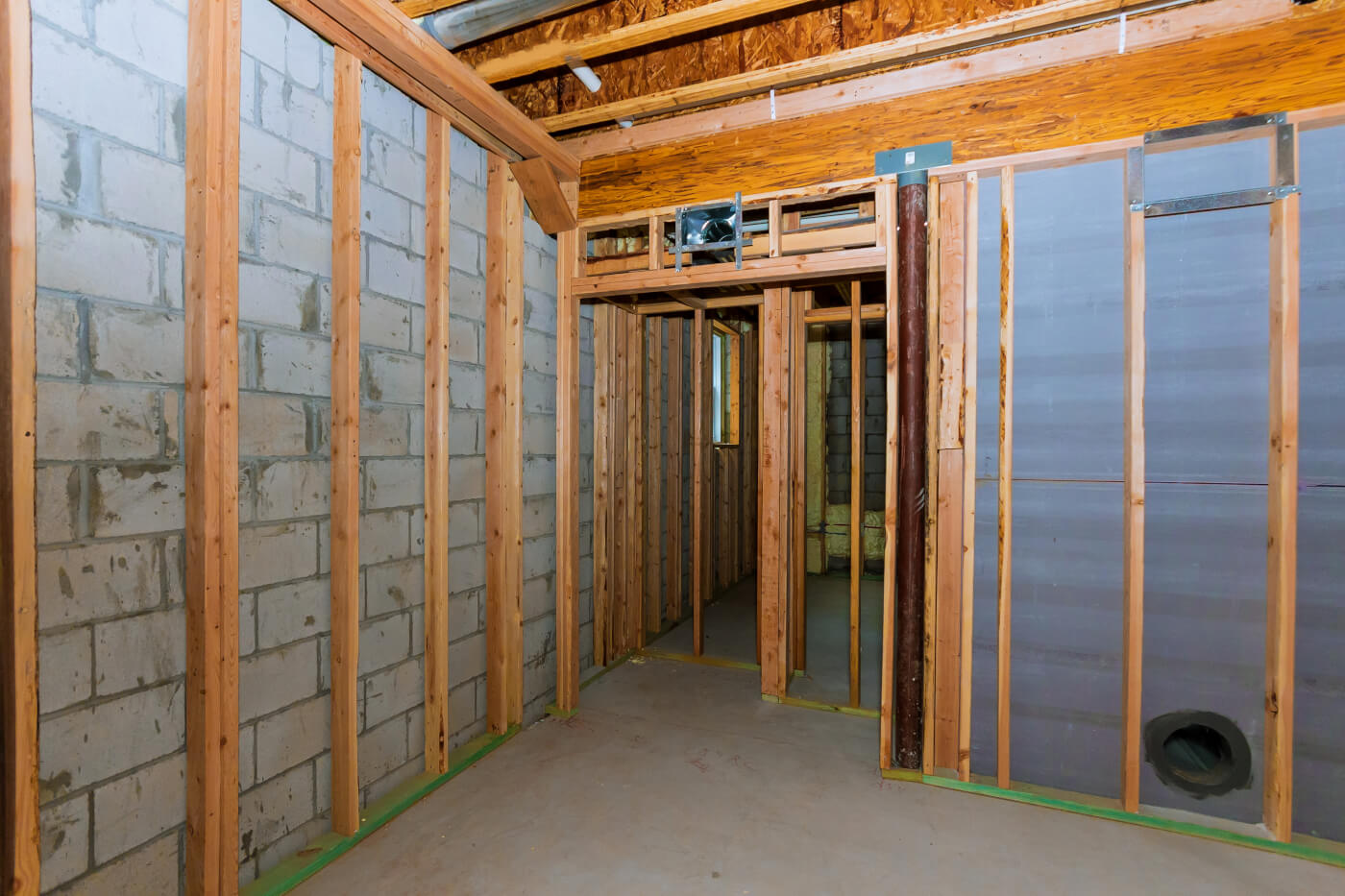
Licenses, permits and money, said plainly
Your license on the page, the permit step explained, nothing promised.
Owners want to know the builder is licensed and insured, and that the paperwork will be handled. So the pages show your license and insurance details where they belong, and explain in plain words how the permit step works on the projects you take, without promising a date the building department sets. They give no legal advice about what a project needs. When an owner asks about paying for the work, the page says financing is available through the lender you work with, and never quotes a rate or a payment.
- License and insurance details on every project page, the way your state expects them shown
- The permit and inspection steps described as a process, never a promised approval date
- Financing mentioned only as available through your lender, with no rates, payments or approvals
- Consent wording, time and page stored with every request, and every ad approved by you before it runs
Before the first shovel
Months of drawings and permits, and the owner never feels forgotten.
Between a signed design agreement and the day the excavator shows up there can be months of drawings, engineering, plan review and scheduling, and to the owner that can look like nothing happening at all. That quiet stretch is where nerves set in and projects get second-guessed. So the system keeps the owner posted at every step, asks for the selections your team needs on time, and once the last punch-list item is done, asks for the review and the referral.
- Updates at each step of pre-construction: drawings, engineering, plan review, the start date
- Selection and document reminders, so a missing choice never holds up the schedule
- The review ask after the final walk-through, one tap to Google, every review answered: drafted for you, approved by you
- Past clients remembered for the next project and the neighbor, on a list that’s yours, always, exportable
What we count
Requests, site visits, signed builds. Not clicks.
A builder’s numbers are the ones the estimating team already keeps: how many owners asked, how many properties you walked, how many estimates went out and how many turned into contracts, however long that took. Each request appears in your CRM the second it arrives, so you see it when we do. Where your agreement includes reporting, it puts the rest in plain English: which project types and towns are producing, and what changes next.
- Every lead in your CRM as it arrives, with its photos, its source and its consent record
- Speed to first contact and site visits booked, by estimator and project type
- Estimates and signed contracts, when your team marks them, even a season later
- Credits for leads that don’t meet the definition, handled the way your agreement says
Lead businesses with big-ticket, slow-to-close sales run the same machine: read their stories · what counts as a lead.
Buying construction leads? Ask these ten questions first.
Ten questions for any lead seller, us included: whether other builders get the same lead, how consent is recorded, and what happens when a request isn’t a real project.
Straight answers.
What general contractors ask us.
Do other contractors get the same lead?
Your agreement settles that in writing before a single campaign goes live, so you know before the first request comes in. Every lead seller should give you that answer on paper; it’s one of the ten questions in the free vetting guide.
Why pay per lead and not a monthly retainer?
A build starts with an owner asking you to come look and is won by your estimator on site, so the request is the part worth paying for. You don’t have to pick between models: the campaigns, the pages and the ad spend are ours, you never open an ad account or fund a budget, and the only thing to settle is how far each lead comes before you take it. That happens on the call.
Our projects can take a year from first call to groundbreaking. Does that work?
It’s the reason the system keeps going after the first reply. Owners who aren’t ready yet hear from you on a schedule that fits what they told you, and signed clients get updates through drawings, engineering and plan review, so a long wait doesn’t turn into a cold feeling about the builder.
How do licensing and permits show up in the advertising?
Plainly. Your license and insurance details appear on the pages, and the permit step is described as part of how a project runs, never as a promised approval or a date. What a specific project needs is a question for you and the building department; nothing we write is legal advice, and you approve every page before it runs.
Can our ads mention financing?
They can say financing is available through the lender you work with. They never quote a rate, a monthly payment or an approval. When an owner asks about it, the question goes to your office or your lending partner to answer.
What if a request isn’t a real project?
If it falls outside the definition in your agreement (a renter, a town you don’t build in, work you don’t take on, a duplicate, nobody to reach), it gets credited or replaced. Whether a site visit turns into a contract is between your estimator and the owner, and the lead price never depends on it.
Not quite a general contractor?
These businesses sell the way yours does (an owner asks, someone comes out to price it, a contract closes it), so the machine is built the same way.
A deck builder, a basement specialist, something else entirely? See all sixty industries or tell us about the company.
Let’s look at where your next builds come from.
The free marketing audit checks your profile, your reviews, your project pages on a phone and how fast a site visit request gets an answer, in writing, in priority order. Or skip straight to a call.