Owners booking a groom or a stay, answered before they call the next place.
A grooming salon or a kennel rarely runs short of dogs that need a bath. It runs short of hands to answer the owner who just moved to town, or the family flying out for the holidays, before they settle on somewhere else. We run the campaigns, pay for the ads and send you the booking with the record of the owner’s consent attached. Each one costs a price set before launch, and the groom, the walk and the overnight stay are your work.
Holiday stays requested, a puppy on the grooming book, records on file, regulars nudged, and nobody stopped mid-bath to pick up the phone.
One grooming and boarding business, one Thursday. Every request stamped, every step measured.
How pet businesses work with us
An owner books a groom, a stay or a lesson. That booking is what you pay for.
Nobody hands over their dog until they’ve picked a time and talked to someone on your team, which makes a pet-care business a pay-per-lead business, and the booked first visit is where most of them start. We build the pages, write the ads for your approval and fund the spend. When an owner in the area you serve books a first groom, a trial day or a stay, you pay a fixed price for that booking, set in writing before launch. You do not have to work out which model fits: it follows the way bookings already reach you. If your front desk would sooner make the first call itself, the plain request is a tier too, and so is an owner put through to you live.
- You set the services, the area you cover and what counts as a qualified booking, in writing, before launch
- Every booking arrives with its consent record: the page the owner saw, the wording, the time
- Nothing to fund for ads and no retainer. The agreed price per booking is the full cost
- Which tier suits your front desk is settled on the first call. See how each tier is priced
Every service, through a pet business owner’s eyes.
The same nine services do different work for a grooming salon or a kennel than for a dentist. Here’s what each one is for when the business is looking after other people’s dogs and cats.
Grooming, boarding, daycare and more
The bath, the holiday stay and the puppy class, each with its own campaign.
An owner whose doodle is matted again, a family pricing a week of boarding before a wedding out of state and someone with a new rescue that pulls on the leash are looking for three different businesses, often in three different weeks. So each service runs as its own campaign, with its own page and its own booking questions, and only across the area you cover. Give one more push when the book has gaps, and rest it when the kennels are full.
- Grooming in the salon, with breed, coat and size asked before a time is offered
- Mobile grooming, booked by neighborhood so the van’s route makes sense
- Boarding and doggy daycare, with the holiday weeks planned well ahead
- Dog walking, pet sitting and training, each with its own pages and its own questions
The first answer
Your hands are in the tub. The reply goes out anyway.
The phone rings hardest at drop-off and pickup, exactly when everyone is holding a leash or a dryer. Owners looking for a new groomer or a mobile van usually ask two or three at once and book with the one that comes back with a time. So a text with open slots goes out within the minute, the request lands on the right person’s phone with the dog’s size and coat, and for some businesses AI answers the call nobody can reach, books the visit and hands over to a person whenever one is needed. You approve what it says before it goes live.
- A text with open times within the minute, at hours messaging rules allow
- Requests routed by service and area, so a mobile groom lands with the van that covers that street
- Reminders the day before with a one-tap reschedule, so the slot doesn’t sit empty
- Or take it live: a live transfer puts the owner through to your desk
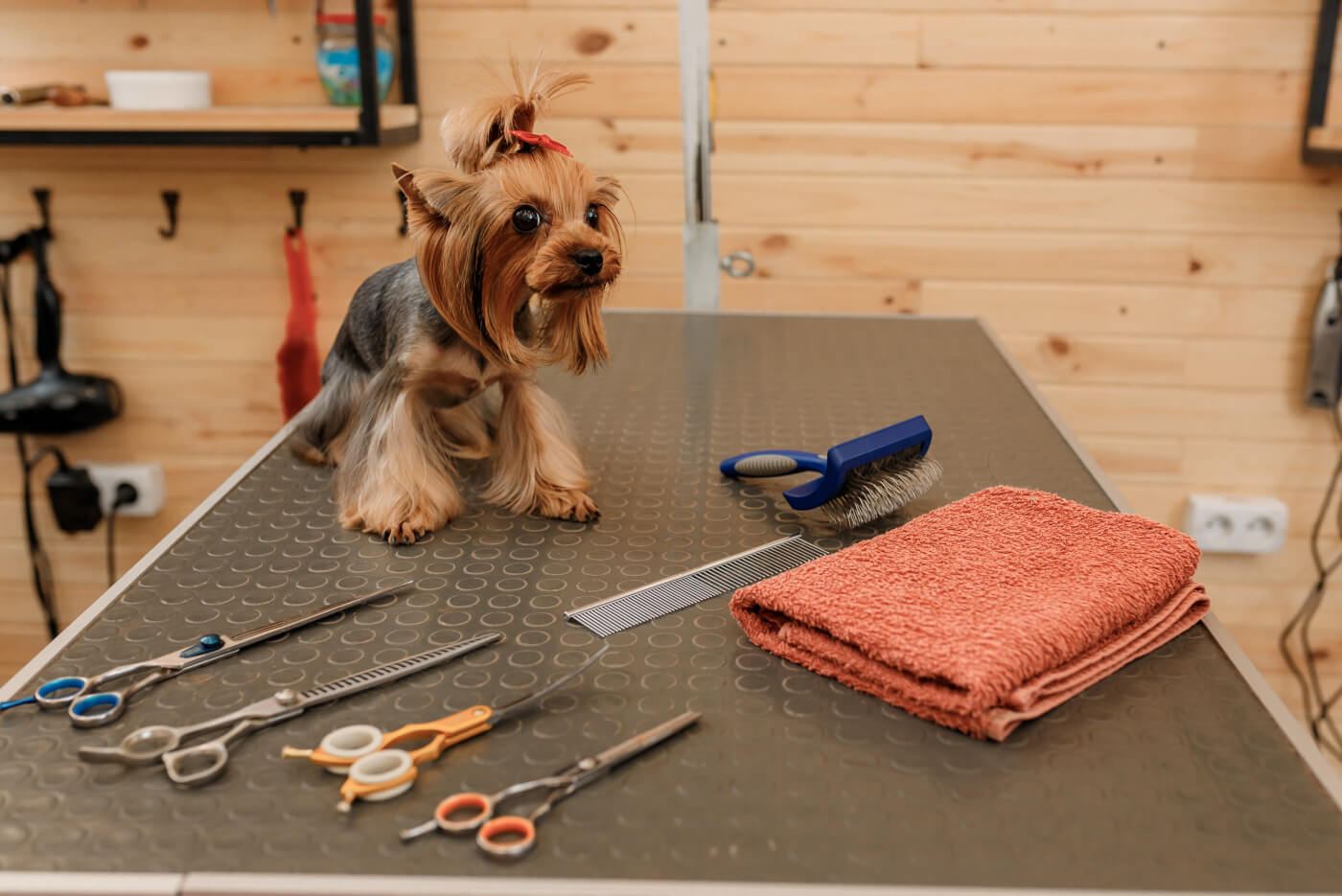
Before the first stay
Size, temperament and the records you require, in hand before drop-off.
A first night of boarding or a first day of daycare goes better when your team knows the dog before it walks in. So the booking asks what you would ask at the counter: breed and size, age, how the dog does around other dogs, anything the owner wants you to know, and the vaccination records your facility requires, uploaded ahead of the visit. Where your daycare starts new dogs with a trial day or a meet-and-greet, that gets booked first. The pages describe your yards, your play groups and your routine, with no promises about safety or behavior written into any ad.
- Intake questions written with you: breed, size, age, temperament, notes from the owner
- The vaccination records your facility requires, uploaded by the owner before the first stay
- A trial day or meet-and-greet booked first, where your daycare asks for one
- Every ad approved by you, and consent wording, time and page stored with every booking
Regulars and the holiday rush
Regulars keep the book full between the holiday rushes.
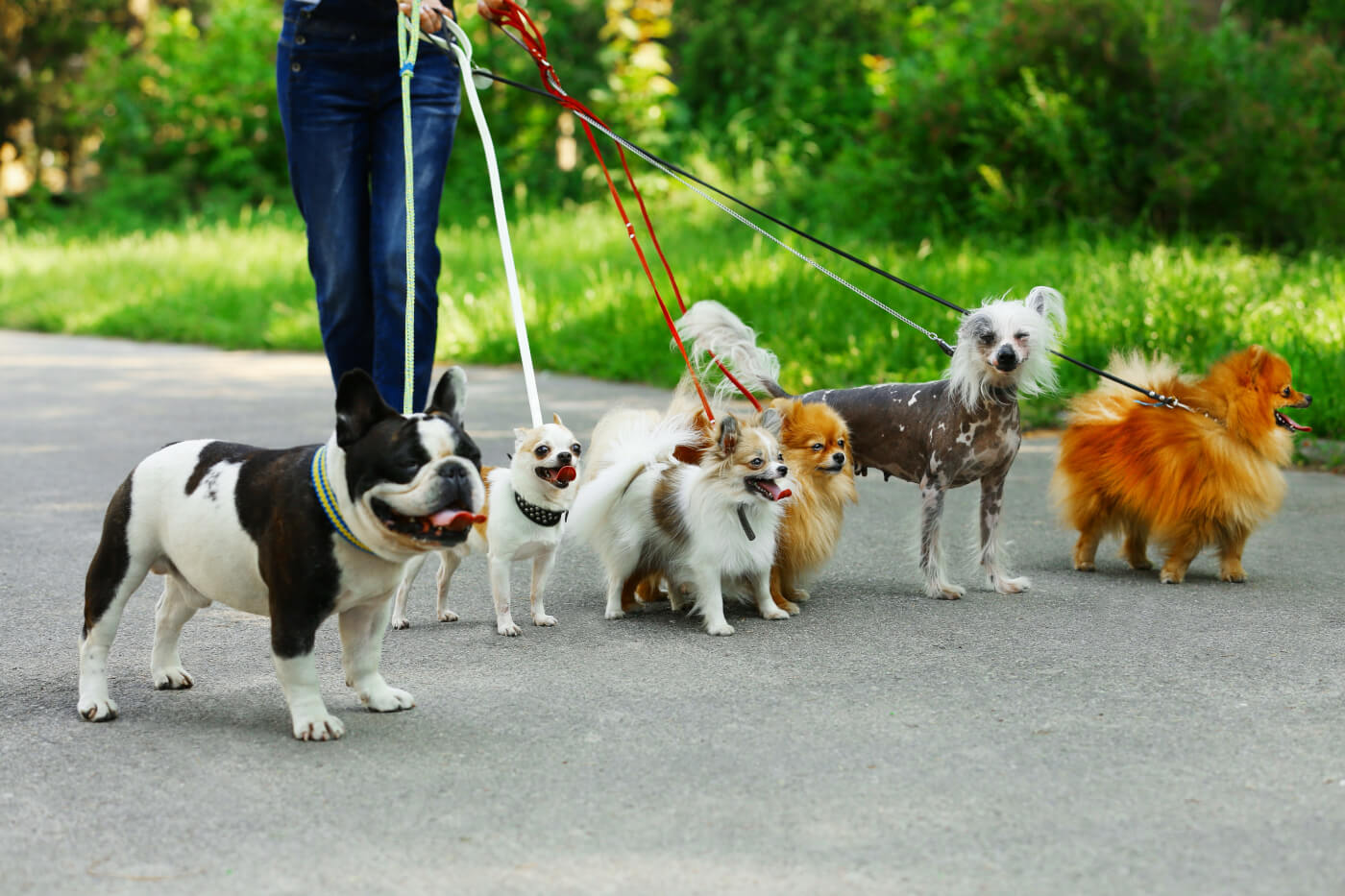
A dog on a steady grooming rhythm, a household with weekday walks and a family that boards every holiday are worth more than any single new booking, and each one drifts away quietly when nobody reminds them. So the system that books new owners keeps the regulars on schedule: a reminder when the next groom comes due, the week’s walks confirmed, holiday sitting and boarding offered to past guests before it opens to everyone, and a review ask after a happy pickup.
- Grooming reminders timed to each dog’s usual gap, with open times attached
- Holiday boarding and sitting offered to past guests first
- A review ask after a happy pickup; replies drafted for you, approved by you
- An owner list that’s yours, always, exportable
What we count
Dogs booked, dogs back again. Not clicks.
A pet business’s numbers are the ones your book already shows: how many owners asked, how many booked, how many showed up, how many came back for the next groom, walk or stay. Every booking lands in your CRM as it arrives, so you see it when we do. Where your agreement includes reporting, it explains the rest in plain words: which services and neighborhoods are producing, and what changes next.
- Every booking in your CRM as it arrives, with the service, the dog’s details and the consent record
- Speed to first reply and first visits booked, by service and by location
- Return visits, when your team marks them, so we tune the campaigns that bring regulars
- Credits for bookings that don’t meet the definition, handled the way your agreement says
Businesses that live on bookings and regulars, on the record: read the client stories · how a booking is defined and priced.
What is one dog on a regular schedule worth to you?
Use your own numbers (a typical groom or stay, how often a regular comes back, how many years they stay with you) to see what one new regular adds up to, and what a booked first visit can sensibly cost.
Straight answers.
What groomers, kennel owners and walkers ask us.
Do we pay for a request or for a booked visit?
Many groomers and kennels start with the booked first visit: the owner has already picked a time for the groom, the trial day or the stay before you pay anything. The request on its own and an owner put through to your desk live are the other two tiers, each at a fixed price written into your agreement before launch. You don’t have to weigh one model against another; how your front desk runs decides which tier fits, and that gets settled on the first call. The ads and the spend are ours, so there’s no account to open.
Can you fill the quiet weeks and leave the holidays alone?
Yes. Each service runs as its own campaign, so boarding can rest once the holiday weeks are full while grooming or daycare keeps running, and the other way around when the kennels go quiet afterward. Tell us when a service has room and that campaign gets more push.
Can owners send their vaccination records before they board?
If your facility requires them, the booking asks for them. The owner uploads the records you list before the first stay or daycare day, along with size, temperament and anything else your intake covers, so your team checks them ahead of drop-off rather than at the counter. What you require is your policy; the system only collects it.
We’re a mobile groomer. Does booking work around a route?
Yes. Requests are sorted by neighborhood, so a new client is offered times on the days the van is already nearby, and reminders carry the address and any parking notes. Dog walkers and pet sitters booking visits by area work the same way.
What do the ads say about safety and behavior?
They describe what you offer (your yards, your play groups, your grooming room, your routine) and leave out promises about safety or how a dog will behave. Every ad and page is approved by you before it runs, and pet photos are used only where the owner agreed.
What if a booking isn’t a real client?
If it doesn’t meet the definition in your agreement (outside your area, a duplicate, nobody at the number), it gets credited or replaced the way your agreement sets out. Whether a first-time dog becomes a regular is between you and the owner, and the price never depends on it.
Not quite a pet business?
These businesses share your family on the industries page. Most start with someone booking a visit or asking for a quote, and the first call sorts out the rest.
A cat boarding hotel, a grooming room inside a pet shop, something else entirely? See all sixty industries or tell us about the business.
Let’s look at how the next dog finds your door.
The free marketing audit looks at your Google profile, your reviews, your booking page on a phone and how long an owner waits for a reply, written up in priority order. Or skip straight to a call.